


Zangon Kataf 1992: The Verdict That Shook Nigeria
*as Gen. Zamani Lekwot is sentenced to die by Hanging

ADMIN.
Zangon Kataf 1992: The Verdict That Shook Nigeria
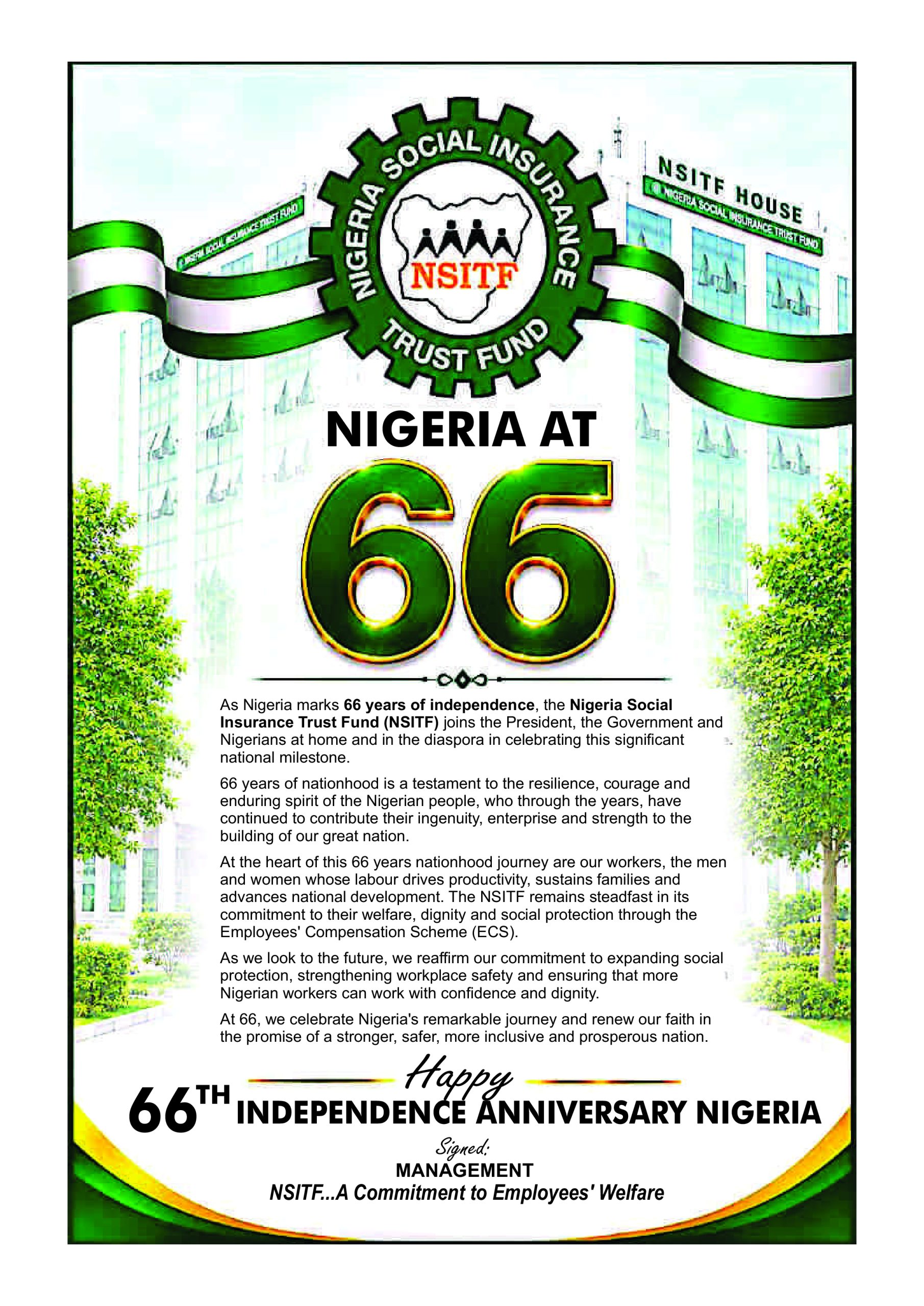
February 1993.
Nigeria woke up to a chilling headline splashed across the cover of Citizen Magazine:
“ZANGON KATAF: THE VERDICT AT LAST.”
Beneath it was the face of General Zamani Lekwot former Military Governor of Rivers State.
Then came the words that stunned the nation:
Death by hanging.
At that moment, fear spread across Nigeria like wildfire. Radios carried the news.
Newspaper vendors shouted the headline in crowded streets.
In homes, barracks, churches, and mosques, people argued in whispers about what would happen next.
The country was tense.
But the bloodshed that led to that verdict had begun months earlier.
It started in February 1992 over a dispute surrounding the relocation of a market in Zangon Kataf, Kaduna State.
What appeared to be an ordinary disagreement soon exploded into a deadly ethnic and religious conflict between the indigenous Atyap (Kataf) community and the Hausa settler community.
The first violence reportedly claimed dozens of lives and destroyed properties worth millions.
Then came May 15 and 16, 1992.
The violence returned with terrifying force.
Homes were set ablaze.
Entire neighborhoods vanished in smoke.
Families fled into the night carrying whatever they could save.
The crisis spread beyond Zangon Kataf into Zaria, Kaduna, and nearby communities, turning one of Northern Nigeria’s most volatile periods into a national emergency.
One account from the period described Zango as a “ghost town” after hundreds of houses were burned.
The scale of destruction shocked the military government of Ibrahim Babangida so deeply that he reportedly flew to the scene himself after cutting short an official engagement.
Soon, a special tribunal was established.
And that tribunal would become one of the most controversial in Nigerian history.
Headed by retired Justice Benedict Okadigbo, the panel immediately faced accusations of bias. Christian groups and defense lawyers argued that the composition of the tribunal favored one side.
Tensions rose further when prominent lawyer Chief G.O.K. Ajayi (SAN) withdrew from the proceedings in protest.
Despite the controversy, the tribunal continued.
Witnesses testified.
Weapons were displayed.
Accusations intensified.
Then finally, in February 1993, the judgment came.
General Zamani Lekwot and several others were sentenced to death by the gallows over their alleged roles in the violence.
The verdict shook Nigeria.
Human rights organizations condemned the ruling.
Legal experts questioned the fairness of the tribunal.
Many feared the executions could trigger even greater unrest across the country.
But the executions never took place.
The sentences were later reduced to prison terms, and years later, state pardons followed.
Yet the scars of Zangon Kataf never truly disappeared.
Even today, the events remain one of the darkest and most debated communal crises in Nigerian history a painful reminder of how quickly tension, mistrust, politics, ethnicity, and religion can push a nation toward tragedy.
History leaves footprints behind.
Some are written in monuments.
Others are written in blood, silence, and memories people never forget.
Do you remember the tension in Nigeria when this verdict was announced?
And in your opinion, did the handling of the Zangon Kataf crisis help heal divisions or deepen them?
#History #Nigeria #ZangonKataf #Kaduna #Heart2HeartWithSammy